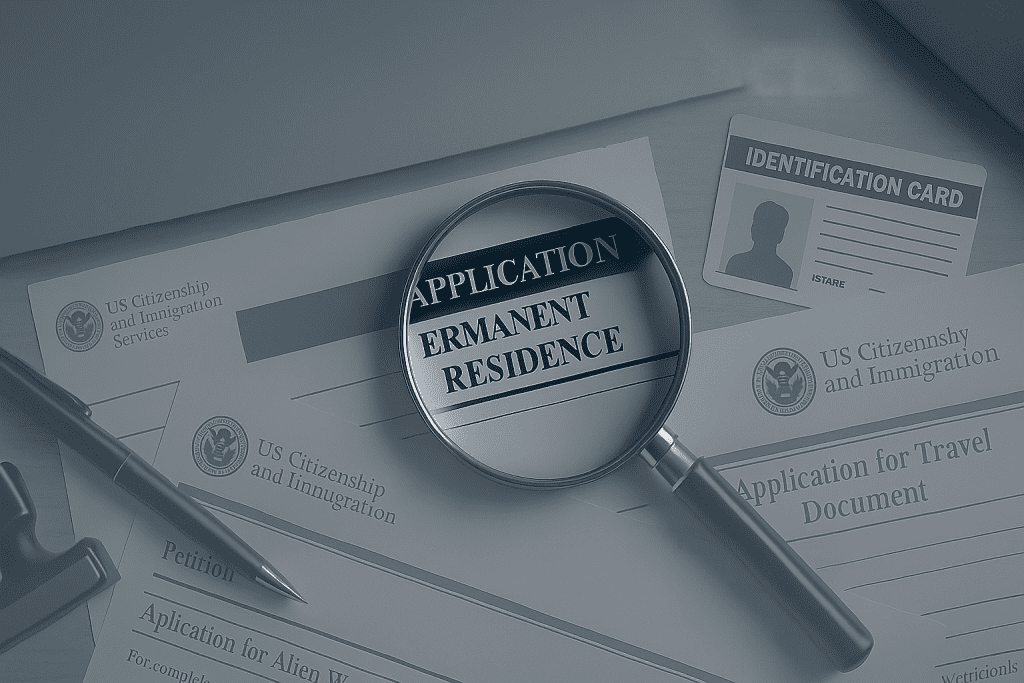
Pauses in Immigration Processes: Is Your Case Affected by New USCIS Measures in 2025?
In December 2025, thousands of immigrants began to notice something strange: canceled interviews, halted work permits, stagnant applications, and cases appearing as “under additional review.” What many believed to be a system error was ultimately confirmed as one of the most extensive pauses in immigration processes in recent years. On December 2, USCIS published memorandum PM-602-0192, ordering a temporary suspension of multiple processes—including asylum, adjustment of status, naturalization, and work permits—especially for citizens of 19 countries considered “high-risk.”
In this article, we explain, clearly and directly:
- What the official memorandum states
- Which processes were halted
- Who is affected
- What to do if your case was frozen
The information here is general in nature and intended to keep the community informed. Each case and nationality is different; for legal questions about your case, speak with a licensed immigration attorney.
What Do the Pauses in Immigration Processes Ordered by USCIS Really Mean?
According to USCIS, these pauses are due to security reviews, identity verification, and internal audits. They do not represent a rejection, but rather a complete halt to the progress of thousands of files.
The most affected processes include:
- Adjustment of status (Green Card)
- Naturalization (N-400)
- Work permits (EAD)
- Affirmative asylum
- Advance Parole (I-131)
- Residency renewals (I-90)
- I-751 (removal of conditions)
- Family interviews (I-130 / I-485)
If your case depends on USCIS, it is very likely that it is temporarily halted under this measure.
Pauses in Immigration Processes: What the USCIS Memorandum States (December 2, 2025)
This document is the basis for all current interruptions. Here is the clearest possible summary of its main points:
1. Total Pause for All Asylum Applications (I-589)
USCIS ordered a complete suspension of interviews, adjudications, decisions, and internal reviews. Regardless of your nationality, all affirmative asylum applications are frozen.
2. Suspension of Processes for Citizens of 19 “High-Risk” Countries
For those from countries listed in Presidential Proclamation 10949, USCIS must halt:
- I-485
- I-90
- N-400
- I-751
- Work permits
- Advance Parole
- Family processes
- Any pending immigration benefit
3. Review of Already Approved Files
The memorandum authorizes USCIS to re-review cases that were already:
- Approved
- Interviewed
- Passed citizenship exam
- Awaiting oath ceremony
4. Mandatory Interviews for the 19 Countries
USCIS prohibits interview waivers. This implies:
- Mandatory interviews even when not previously required
- Re-interviews
- Mass cancellation of appointments for future rescheduling
5. Enhanced Security and Background Checks
USCIS will apply stricter checks on:
- Biometric fingerprints
- Immigration history
- Previously accepted documents
- Matches in security databases
- International information
Who Do These Immigration Pauses Affect?
The measure directly impacts:
- Citizens of the 19 “high-risk” countries (includes Venezuela and Cuba)
- All affirmative asylum applicants
- Applicants for adjustment of status through marriage or family
- Individuals about to naturalize or with pending oath ceremonies
- Applicants for work permits dependent on a frozen case
What to Do Now if Your Case is Frozen (Practical Guide for Immigrants)
You are not rejected; you are on administrative pause. This is the time to act strategically:
1. Request Your FOIA Immediately
A FOIA helps you know what information USCIS has about you, if there are security or audit notes, or if there is any error you can correct. Learn more about how to use it in our article FOIA in Immigration: The Forgotten Document That Saves Your Process.
2. Update All Your Evidence
When your case reactivates, USCIS will request updated evidence. Prepare:
- Taxes, pay stubs, marriage documents, clean police record, proof of continuous residence.
3. Prepare for a Mandatory Interview
Even if you have already had one. Your document preparer or immigration attorney should help you review your entire immigration history to avoid even the slightest discrepancy.
4. DO NOT Resubmit Your Application
Duplicating applications is a serious error that can delay you further.
FAQs About Pauses in Immigration Processes (FAQ)
1. Why does my USCIS case appear as “under additional review” since December 2025?
This status began to appear right after memorandum PM-602-0192 on December 2, 2025. It means your case is frozen due to additional security, identity, or background verification reviews. It implies that your file will not advance until USCIS lifts the pause or issues new official instructions.
2. How long will the pause in immigration processes last?
There is no estimated date. USCIS indicated that the suspension will remain “until further notice.”
3. What do I do if my citizenship was already approved and my ceremony was canceled?
These cancellations do not mean loss of benefit, but rather that your case entered:
- Additional review
- Identity verification
- Mandatory re-interview if your nationality is among the 19 listed in the memorandum.
Once USCIS completes these verifications, your ceremony could be rescheduled. In the meantime, do not resubmit a new application; that could harm your case.
4. Does the pause affect consular visas abroad?
Yes, indirectly. Although consulates operate under the Department of State, many processes depend on prior USCIS approvals. If your I-130, I-140, I-129, or any other form is frozen, the consulate cannot proceed, and some cases will enter “administrative processing.” Therefore, thousands of families have seen their consular processes delayed during this pause.
5. Can USCIS deny my case after the pause?
Yes. When your file is reactivated, USCIS will conduct an enhanced review that could identify: insufficient evidence, inconsistencies in previous information, suspicious security links, errors in the application, or documents that need updating. That is why it is important to use this period to update your evidence, request your FOIA, and seek legal advice.
Final Recommendations
Do not panic: it is not a denial, and avoid making decisions without professional advice. Use this time to strengthen your file and stay alert for official communications. Update your documents and keep digital copies.