Complete Guide to Applying for Political Asylum in the U.S. in 2024: Requirements, Deadlines, and Practical Tips
Applying for Political Asylum in the United States is a legal option available to those fleeing persecution in their home country due to reasons such as race, religion, political opinion, nationality, or membership in a particular social group. However, the process can seem complex and challenging, making it important to have accurate information to make well-informed decisions. In this guide, we will explore the essential requirements, important deadlines, and practical tips to increase your chances of success in your asylum application. We provide you with all the information you need to face this process with security and confidence.
What is Political Asylum and Who Can Apply?
Political asylum is a legal status granted by the U.S. government to individuals who fear returning to their country due to a well-founded fear of persecution based on:
- Race
- Religion
- Political opinions
- Nationality
- Membership in a particular social group (e.g., LGBTQ+ community, ethnic or religious minorities).
Difference between Refugee and Asylum:
- Refugees apply for protection from outside the U.S.
- Asylum seekers do so from within the country or upon arrival at the border.
Requirements for Applying for Asylum in the U.S. in 2024
General Eligibility
- Be present in the United States or at the border.
- Demonstrate a well-founded fear of persecution if you return to your country.
- Submit the application within one year of your arrival in the U.S., unless you can demonstrate a significant change in circumstances (e.g., a new threat in your country).
Acceptable Cases
- Political persecution: Activists, journalists, or individuals critical of their government.
- Religious persecution: Religious minorities who suffer discrimination.
- Membership in a social group: LGBTQ+ individuals who face violence in their country of origin.
U.S. Asylum Application Process
Step 1: Complete Form I-589
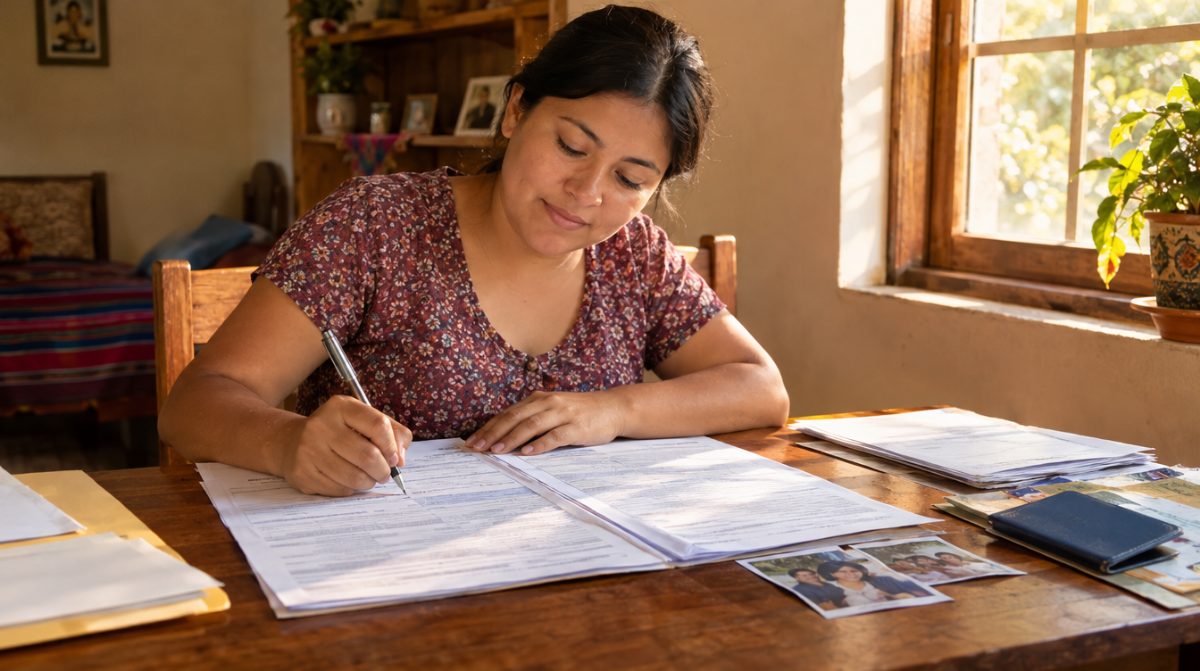
The first step is to submit Form I-589 (Application for Asylum and for Withholding of Removal). This form is the basis of your application, so it must be completed carefully with all relevant information about the reasons for your request.
- Where to send: The form can be submitted by mail or online through the USCIS portal.
- Tip: Include all supporting documentation (evidence of persecution, newspaper clippings, human rights reports, etc.).
Step 2: Fingerprinting and Biometric Data Collection
After submitting your application, you will receive a notice to attend an appointment for fingerprinting and biometric data capture.
Step 3: Asylum Interview
If you apply for affirmative asylum, you will be called for an interview at USCIS. If your application is denied and you are already in deportation proceedings, it will be transferred to an immigration judge under the defensive asylum system.
Step 4: Decision on Your Case
After the interview or hearing, you will receive a notification with the decision on your application.
Important Deadlines You Should Know
- Application within the First Year: You must submit your application within one year of your entry into the U.S.
- Biometrics Appointment: This is done within the first 30 days after submitting the application.
- Access to Assistance Programs: You can apply for a work permit after 150 days of submitting your asylum application and if you have not received a decision during that period.
Work Permit and Benefits for Asylum Seekers
- Work Permit (EAD): If your case is pending for more than 150 days, you can apply for an Employment Authorization Document (EAD).
- Access to Assistance Programs: Asylum seekers may be eligible for certain aid programs such as Medicaid and SNAP in some states.
Practical Tips to Increase Your Chances of Success
Organize All Documentation
- Make sure to present strong evidence of persecution (letters from human rights organizations, medical reports, photographs, etc.).
- Provide certified translations if your documents are in another language.
Prepare for the Interview
- The interview is key to your application. Practice your answers with an attorney or advisor.
- Be clear and consistent when explaining the reasons why you cannot return to your country.
Respond Quickly to Requests for Additional Evidence
If USCIS or the immigration judge asks for additional information, respond as soon as possible to avoid delays in your case.
Common Challenges in the Asylum Process
- Processing Delays: The waiting time for a decision can be long due to the large number of applications.
- Inconsistencies in Testimony: Discrepancies between your interview and the documents submitted can negatively affect your case.
- Anxiety and Stress: The process can be emotionally exhausting, so it is advisable to seek psychological support if you need it.
Conclusions:
Applying for asylum in the United States is a complex process, but being well-informed and prepared can make a difference in the outcome of your case. Know the requirements, carefully prepare your documentation, and stay up-to-date with important deadlines. Remember that every detail counts in this process and that being organized can significantly increase your chances of success. If you have questions or need guidance, speak with a licensed immigration attorney. Are you ready to start your asylum process? Don't let doubts stop you. Check our blog for more useful tips and resources that will help you make informed decisions and move forward with confidence. At USA FILE Solutions, we help you prepare the documents for your immigration application. Our immigration document preparation team prepares your forms with the information you provide, following your instructions. Do you need help? We are here for you! If you need help preparing your forms, contact us. For legal questions about your case, we recommend speaking with a licensed immigration attorney. At USA FILE Solutions, we understand how important each individual case is and we are committed to providing you with the best possible service at all times.